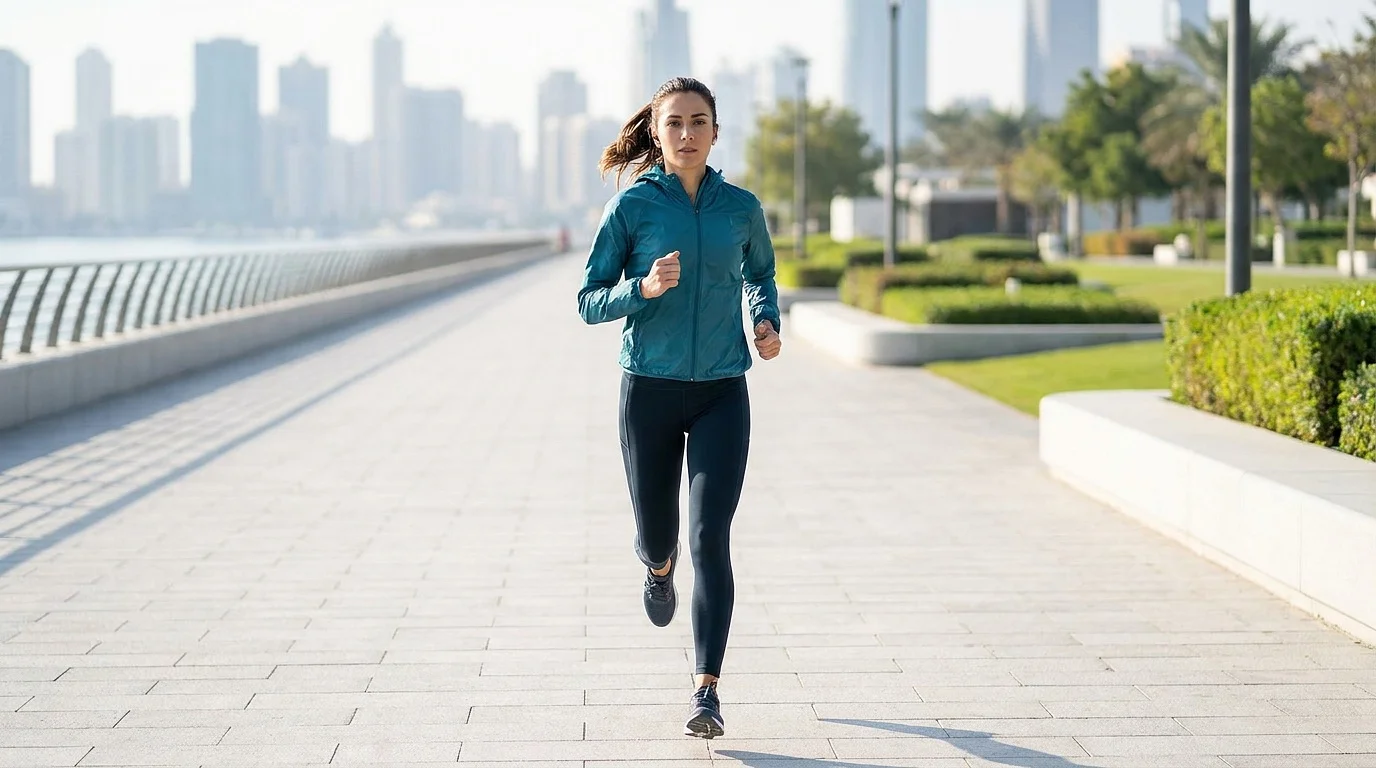
The weather warmed up. The mileage went up. Now there is a dull ache around the front of your kneecap that gets sharper on hills, on stairs, and when you stand up after sitting through a movie. You did what everyone said. You rested. You iced it. You stretched. The pain came back the second you laced up.
If that sounds familiar, you have a textbook case of runner's knee. The runner's knee treatment most people are still being given is built on advice that the research moved past more than three years ago. Loading the knee differently, not avoiding it, is what actually fixes the pain. Here is what the current evidence says, and how to apply it.
What Runner's Knee Actually Is (And What It Is Not)
Runner's knee is the common name for patellofemoral pain syndrome, or PFPS. It shows up as pain at the front of the knee, around or behind the kneecap, and worsens with running, descending stairs, hills, squatting, and prolonged sitting. That last one has its own name in the clinic: the "theater sign."
It is the most common running injury you will encounter, affecting roughly 17 percent of recreational runners over the course of a year [1]. It is not the same as IT band syndrome (pain on the outside of the knee), a meniscus issue (joint-line pain, often with locking or catching), or patellar tendinopathy (pain at the bottom of the kneecap with loaded jumping or sprinting).
Modern research no longer frames PFPS as cartilage damage either. It is a load tolerance problem. The tissue could not handle what was asked of it.
Why Your Knees Hurt After 30 Minutes of Running
Pain is the result of mismatched math. The capacity of the joint, the muscles around it, and the tendons attaching to it could not handle the load you applied. That mismatch is almost always traceable to a recent training change.
Spring is the worst offender. Mileage jumps after a winter of indoor cross-training. The treadmill gives way to pavement. Hill repeats get added too soon. Old shoes get replaced with new ones that feel different underfoot. Each of those changes individually is fine. Stack two or three of them in the same week and the system breaks down at its weakest link, which for runners is usually the front of the knee.
The other piece is mechanics. When the hip and glute musculature cannot stabilize the femur under load, the knee collapses inward at footstrike, a pattern called dynamic knee valgus. That collapse increases pressure under the kneecap with every step. Combined with overstriding (landing with the foot well in front of the body) and a low cadence, the patellofemoral joint absorbs more force than it has to.
Why Rest, Ice, and Stretch Does Not Fix It
The traditional advice, rest until it stops hurting, ice it daily, stretch the quads, has a problem. It treats pain as the enemy and assumes inflammation is the driver. Neither is true for most cases of runner's knee.
Complete rest deconditions the exact tissue that needs to be more capable. The runner returns to running in worse shape than they left it, and the cycle restarts. Isolated quadriceps strengthening, the classic VMO contraction, misses the dominant role of the hip and glutes in controlling knee position. A 2025 meta-analysis of randomized trials found hip and knee strengthening together produced significantly better outcomes than knee work alone [2].
Modalities like therapeutic ultrasound, electrical stimulation, and prolonged icing are explicitly not recommended in the current clinical practice guidelines [3]. If pain returns the moment you start running again, the issue is not residual inflammation. It is the fact that you did not rebuild the load tolerance you need to run.
What the Latest Research Says Actually Works
The evidence has consolidated around four points since 2023. None of them require quitting running.
Hip and knee strengthening beats knee strengthening alone. A 2025 systematic review and meta-analysis of six randomized controlled trials (241 patients) found that adding hip-targeted work to knee-focused rehab produced significantly greater pain reduction and functional improvement at every follow-up point measured [2]. The 2024 British Journal of Sports Medicine best-practice guide makes hip-targeted exercise central to first-line care [4]. Gluteus medius, glute max, and external hip rotators all matter.
Increasing cadence by 5 to 10 percent reduces patellofemoral joint load. A 2024 randomized controlled trial in PLOS One found runners who increased their step rate by 7.5 to 10 percent cut their pain scores by a clinically meaningful amount, with the gains holding at six months [5]. A separate 2024 biomechanics study showed a 10 percent cadence bump reduced knee valgus by roughly two degrees per side, lowering the joint stress that drives the pain [6]. A metronome and a willingness to take quicker, shorter steps are most of what this requires.
Pain-guided running beats stopping. Continuing to run while keeping pain at or below 2 out of 10 produces equivalent or better outcomes than complete rest, with the added benefit of preserving fitness [4]. The framework is modify, do not stop. Run shorter. Run slower. Run on softer surfaces. But keep running.
Education and load management are the foundation. A 2024 BJSM cohort study of more than 5,200 runners found single-run distance jumps greater than 10 percent beyond the longest run in the previous 30 days raised overuse injury risk by 64 percent [7]. The number to watch is not just weekly mileage. It is whether any single run was a sudden spike. Understanding the training error that caused the flare, and adjusting it deliberately, is as important as the strengthening work.
How Fortitude & Freedom Treats Runner's Knee
The F&F process turns the research into a plan you can actually follow. It looks different from what most patients have been through before.
Find the load mismatch. The first visit is a training history audit. What changed in the last four to six weeks? Mileage? Pace? Surface? Hill work? Footwear? The cause is almost always in there, and naming it is the first step toward not repeating it.
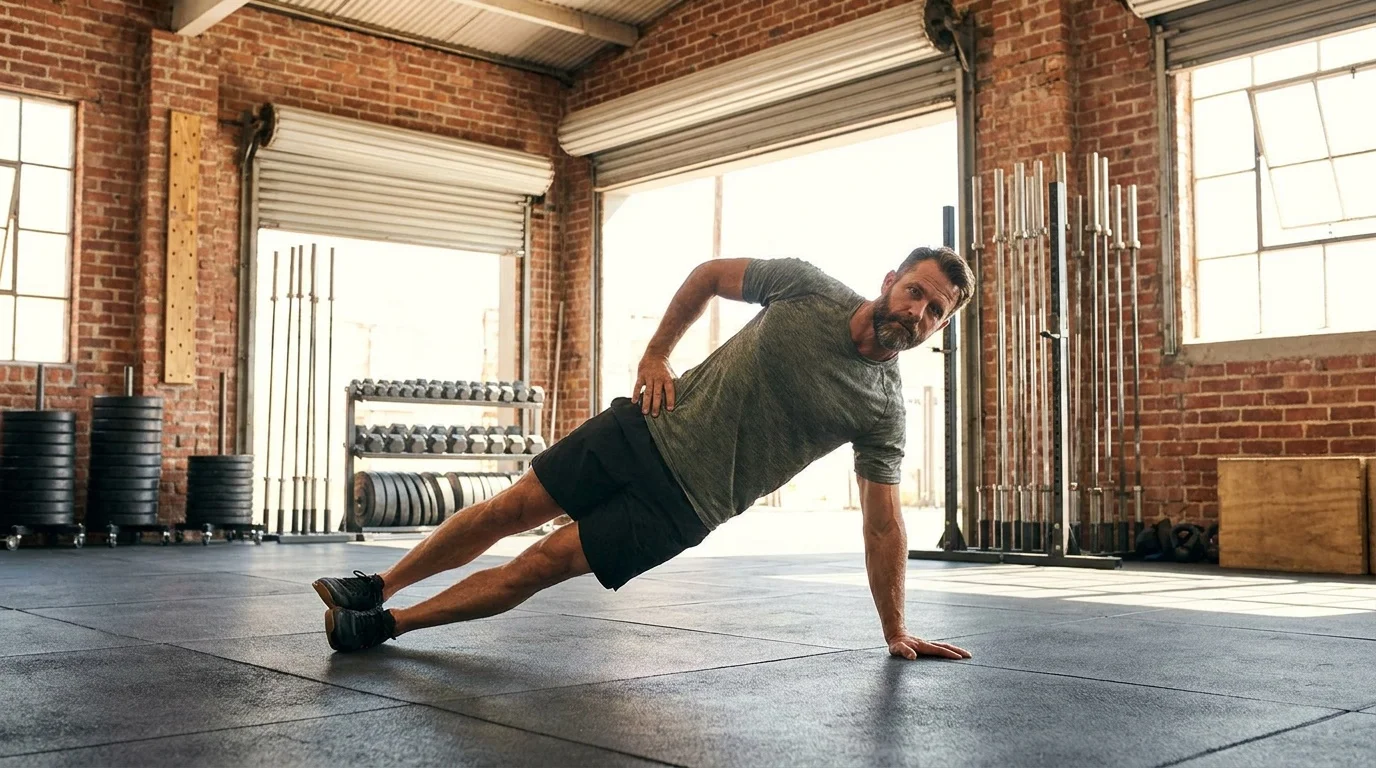
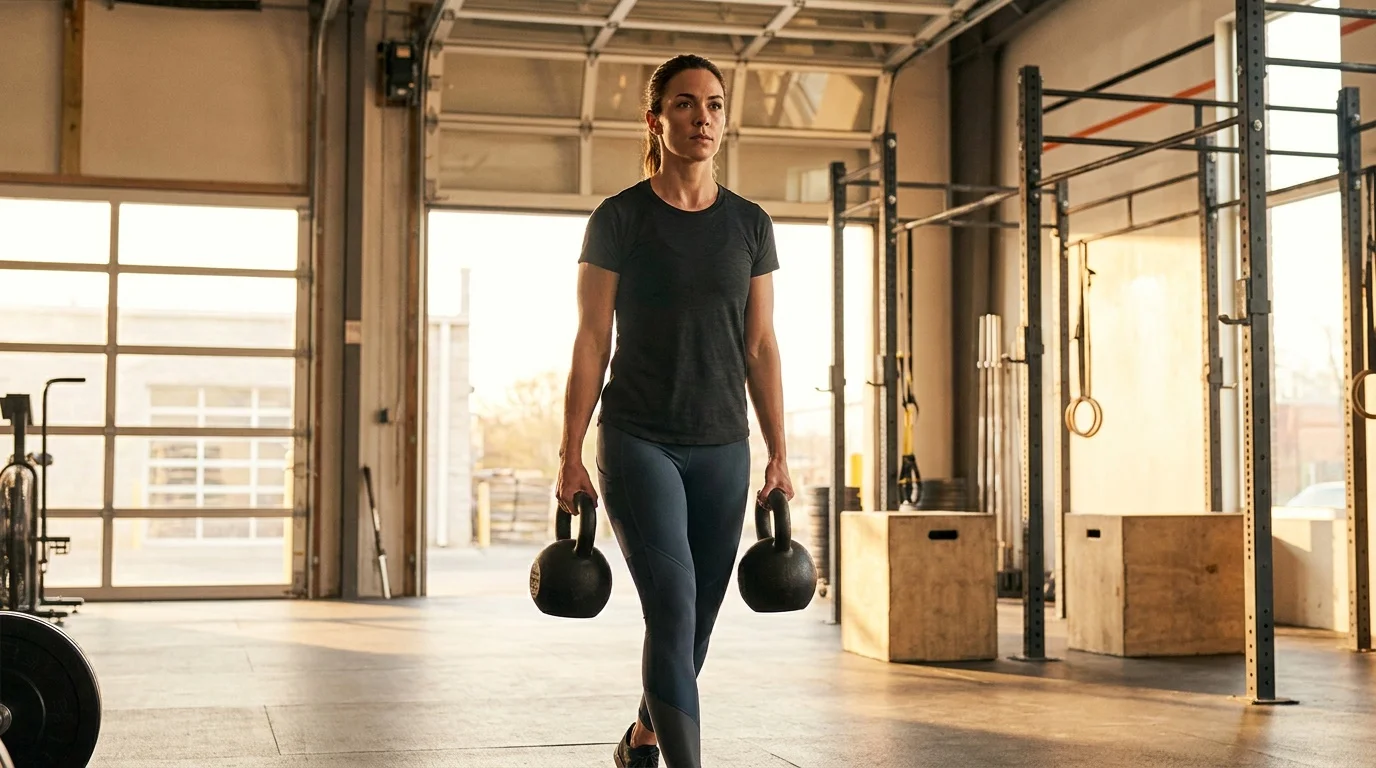
Build the hip and glute capacity. Single-leg work like split squats, step-downs, lateral band walks, and progressive single-leg deadlifts targets the muscles that keep the knee tracking properly under fatigue. Loading is progressive. The goal is not a few sets of bodyweight exercises. The goal is a knee that holds its line at mile six.
Cadence retraining. A metronome set 5 to 10 percent above your current cadence, used for short intervals on easy runs, retrains the stride pattern without requiring conscious effort during racing. Most runners adjust within two to three weeks.
Pain-guided running. You keep running. Volume and intensity get adjusted to keep pain under 2 out of 10 during and after the run. Hill work and speed work come back when capacity allows, not on the original calendar.
Dry needling for stubborn trigger points. When the quads, glutes, or hip flexors have been guarded for so long that strengthening alone is slow to release them, dry needling can accelerate progress. See our guide on dry needling for knee pain for how it works in practice.
Progressive return to full training. You return to your goal volume when the capacity is rebuilt, not just when the pain quiets down. This is the difference between a fix and another flare. The same loading-based logic that drives our return-to-sport physical therapy work applies here.
When to See a Physical Therapist
Self-management gets a real shot. Two weeks of reducing volume, starting hip and glute work, and increasing cadence will resolve a meaningful percentage of cases. If any of the following are true, do not keep guessing:
Pain persists beyond two weeks of consistent self-management
Pain rises above 3 out of 10 during or after runs
Pain returns immediately when you try to add mileage or pace
Pain affects daily activity, stairs, sitting, or sleeping
A race or goal event is on the calendar and the timeline matters
A first visit at Fortitude & Freedom looks like a training history review, a movement assessment under load, and a clear plan with timelines. You leave with a program built around your sport, not a generic handout.
The Bottom Line
Runner's knee is not a cartilage problem and rest is not the answer. It is a load tolerance problem, and the fix is loading the knee correctly while keeping it moving. Build hip and glute strength. Pick up your cadence by 5 to 10 percent. Keep running, but keep pain under 2 out of 10. And find the training error that started the flare so it does not start the next one.
If the pain has been hanging on or you have a race on the calendar you do not want to miss, book a visit at Fortitude & Freedom. 1040 SE Frontier Ave, Waukee, IA. We will find the load mismatch and build the strength to get you back to running.
References
Powers CM, Witvrouw E, Davis IS, Crossley KM. Patellofemoral pain: consensus statement from the 4th International Patellofemoral Pain Research Retreat. British Journal of Sports Medicine. 2018. Reaffirmed in the 2024 best-practice guide.
Halabi MA, et al. The Efficacy of Hip and Knee Muscles Strengthening Versus Knee Muscle Strengthening Alone in Managing Patellofemoral Pain Syndrome: A Systematic Review and Meta-Analysis. Musculoskeletal Care. 2025.
Willy RW, et al. Patellofemoral Pain: Clinical Practice Guidelines from the Academy of Orthopaedic Physical Therapy of the American Physical Therapy Association. Journal of Orthopaedic & Sports Physical Therapy. 2019.
Neal BS, Lack SD, Bartholomew C, Morrissey D. Best practice guide for patellofemoral pain based on synthesis of a systematic review, the patient voice and expert clinical reasoning. British Journal of Sports Medicine. 2024.
de Souza Júnior JR, et al. Effects of two gait retraining programs on pain, function, and lower limb kinematics in runners with patellofemoral pain: a randomized controlled trial. PLOS ONE. 2024.
Peterson B, et al. Running Cadence and the Influence on Frontal Plane Knee Deviations. Clinics and Practice. 2024.
Single-run distance progression and overuse injury risk in a cohort of 5,200+ runners. British Journal of Sports Medicine. 2024.